
A Beginner’s Guide to Dog Grooming Tools
Grooming doesn’t have to mean a salon visit or a drawer full of gadgets. For most dogs, a handful of basic tools and a calm few minutes a week will do. It’s also one of the easiest ways to bond with your dog, and to notice small changes like a lump, a sore patch or a smelly ear before they become bigger problems.
If you’re new to it, the choices can feel overwhelming. Brushes, combs, rakes, clippers, shampoos, mitts. Here’s a plain-English guide to what you need, how coat type changes things, and how to help your dog get comfortable with being handled.
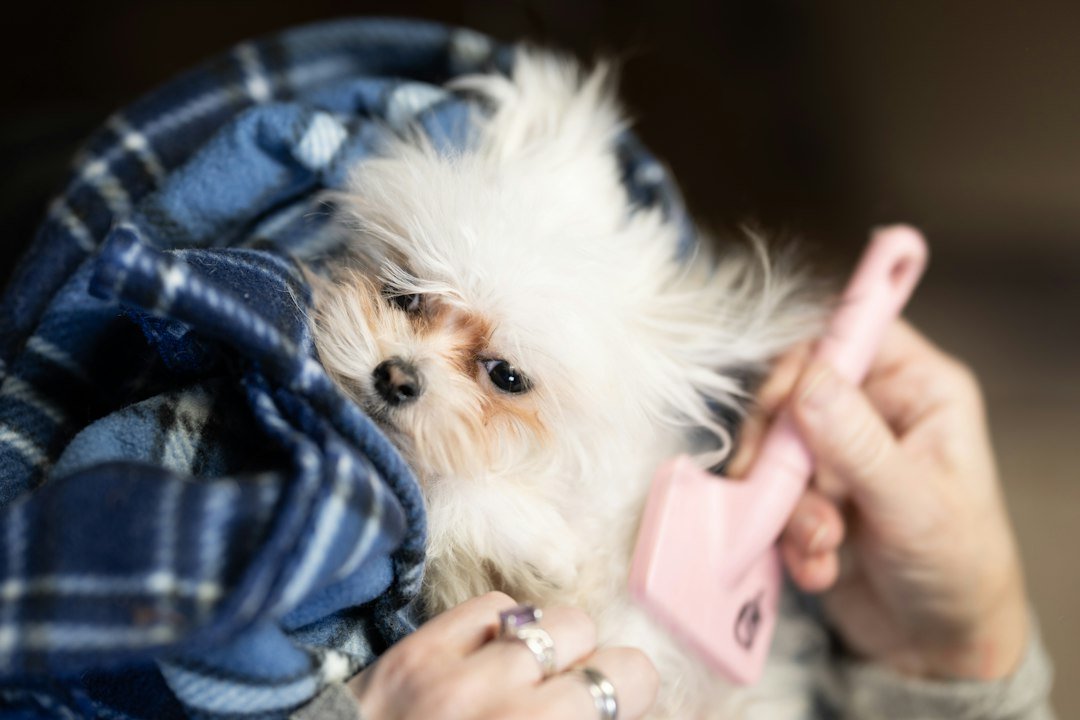
Why grooming matters beyond looks
Brushing removes loose hair, spreads natural oils through the coat and keeps mats from forming. Mats can tug on the skin and hide irritation, and in long coats they can get serious quickly. Regular grooming also gives you a hands-on check-in. As you work, you can feel for bumps, notice fleas or ticks, look at the ears and paws and spot changes in weight or skin. None of this replaces a vet visit, but it helps you catch things early.
Start with your dog’s coat
The right tool depends on the coat, so it helps to know what you’re working with.
- Short, smooth coats (think Labradors, beagles, boxers): a soft bristle brush or a rubber grooming mitt is usually enough. Many of these dogs shed a lot, so regular brushing helps keep hair off the sofa.
- Medium and double coats (such as retrievers, shepherds, huskies): a slicker brush plus a comb, or an undercoat rake, helps work through the dense undercoat, especially during seasonal shedding.
- Long or silky coats: a slicker brush and a metal comb help prevent tangles, and you’ll need to check behind the ears, under the legs and around the collar where mats start.
- Curly or woolly coats (poodles and many doodle mixes): these usually need frequent brushing right down to the skin, plus regular professional trims.
If you’re not sure what suits your dog, a groomer or your veterinarian can point you in the right direction. It’s worth asking once, because the wrong tool can pull or irritate the skin.
The starter kit
You don’t need everything. A modest kit covers most households.
- A brush or comb that suits the coat
- Dog-specific shampoo, because human products can irritate dog skin
- Nail clippers or a grinder sized for your dog
- Soft towels
- Treats to reward calm behavior
- A non-slip mat for baths or grooming on smooth floors
Helping your dog feel comfortable
Many dogs aren’t naturally keen on being handled. The trick is to go slowly and make it pleasant.
- Introduce each tool. Let your dog sniff the brush or clippers before you use them, and give a treat when they stay calm.
- Keep sessions short. A couple of minutes of gentle brushing is enough at the beginning.
- Pair it with something good. Treats, praise and a calm voice help dogs accept handling.
- Stop if they’re distressed. If your dog is wriggling away, panting hard or showing the whites of their eyes, take a break and try a smaller step next time.
- Be consistent. A little often works better than a long session once a month.
Brushing
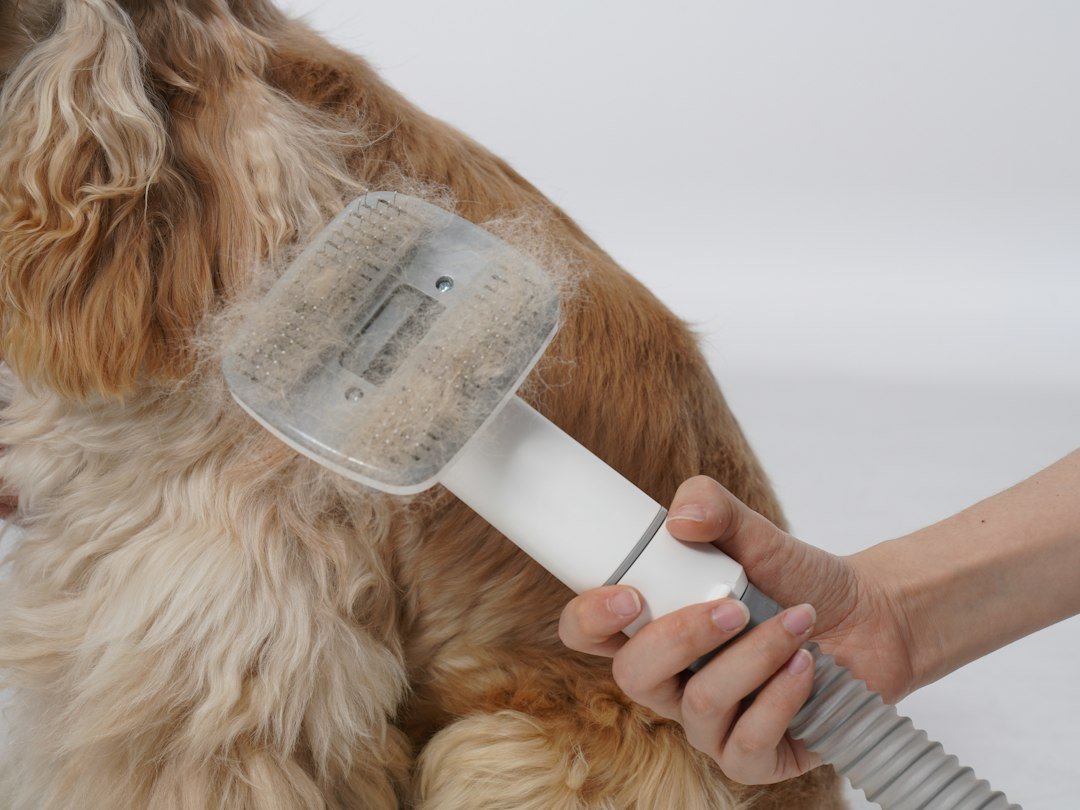
Brush gently in the direction the hair grows. When you meet a tangle, hold the hair near the skin to avoid tugging and work through it a little at a time, using a comb for stubborn spots. Give extra attention to behind the ears, under the legs, around the collar and the base of the tail, because these are the places mats love. If a mat is tight against the skin, don’t try to cut it out with scissors. It’s easy to nick the skin. A groomer can deal with it safely.
Bathing
Most dogs don’t need frequent baths. Washing too often can dry out the skin and coat, so bathe when your dog is dirty or smelly, or as your veterinarian suggests. Use lukewarm water, a dog-specific shampoo and rinse thoroughly, since leftover shampoo can irritate. Keep water and suds out of the ears and eyes, and dry well with a towel. A non-slip mat in the tub or shower will keep your dog steadier and calmer.
Nails
For many owners, nail trimming is the hardest part. Long nails can be uncomfortable and affect how a dog walks, so it’s worth working up to it. Cut only small amounts at a time and avoid the quick, the sensitive inner part that contains blood vessels and nerves. It’s easier to see in light-colored nails and trickier in dark ones. If you’re nervous, ask your veterinarian or a groomer to show you the first time, and don’t trim if you aren’t sure. Having styptic powder on hand is a good idea in case you cut too close.
How often should you groom?
There’s no single schedule, because it depends on the coat. Short, smooth coats may be fine with a weekly brush. Double coats often need brushing a few times a week, and daily during the heavy shedding seasons in spring and fall. Long, curly or fine coats usually do best with a short brush-through most days, since small tangles are far easier to deal with than big ones. If you’re ever unsure, start with a little more often and let the coat tell you. A coat that comes out smooth with little resistance is in good shape.
Bathing, nails and ears work on their own schedules. Nails often need a trim every few weeks, ears a quick look weekly, and baths only when your dog really needs one.
Ears, teeth and paws
While you’re at it, take a quick look at the ears for redness, odor or discharge, and at the paws for cuts, cracked pads or anything stuck between the toes. Teeth deserve attention too, although dental care is a topic where your veterinarian’s advice matters most. If anything looks or smells off, it’s worth a call.
Setting up a calm space
Where you groom matters almost as much as how. Choose a quiet spot with a non-slip surface and good light, and have everything within reach before you begin, so you’re not leaving your dog halfway through. For small dogs, a sturdy table or counter with a mat can save your back, but never leave a dog unattended on a raised surface. For bigger dogs, the floor is usually easiest. Keep treats close, keep your voice relaxed and end each session on a good note, even if that means stopping sooner than you planned.
When to see a professional
Home grooming has limits. See a veterinarian if you notice matted fur close to the skin, red or sore patches, persistent scratching, a bad smell from the ears, lumps or any sudden change in your dog’s skin or coat. For heavily matted, curly or hard-to-manage coats, or for dogs that are very anxious about handling, a professional groomer is usually the safer choice.
Keep it relaxed
Good grooming is mostly about routine and patience. Start with a few minutes, keep treats nearby, and let your dog set the pace. The goal isn’t a show-ring finish. It’s a comfortable dog and a bit of calm time together.
Keep reading: Dog travel essentials for everyday outings · What is dog enrichment? · Browse Pawlioza
Photos by benjamin lehman and Neakasa on Unsplash.