
Dog travel essentials for everyday outings
A day out with your dog should be easy and fun. But anyone who has ever reached a trailhead and realized the water bowl is still on the kitchen counter knows how quickly a good plan can wobble. A little preparation turns a stressful outing into a relaxed one, for you and for your dog.
Whether you’re heading to the park, the cottage or a long drive to see family, here’s a practical guide to what to pack, how to choose carriers and accessories, and how to keep your dog safe on the way. Adjust it to your destination, the weather and your dog’s own needs, since a senior bulldog and a young husky will want different things.
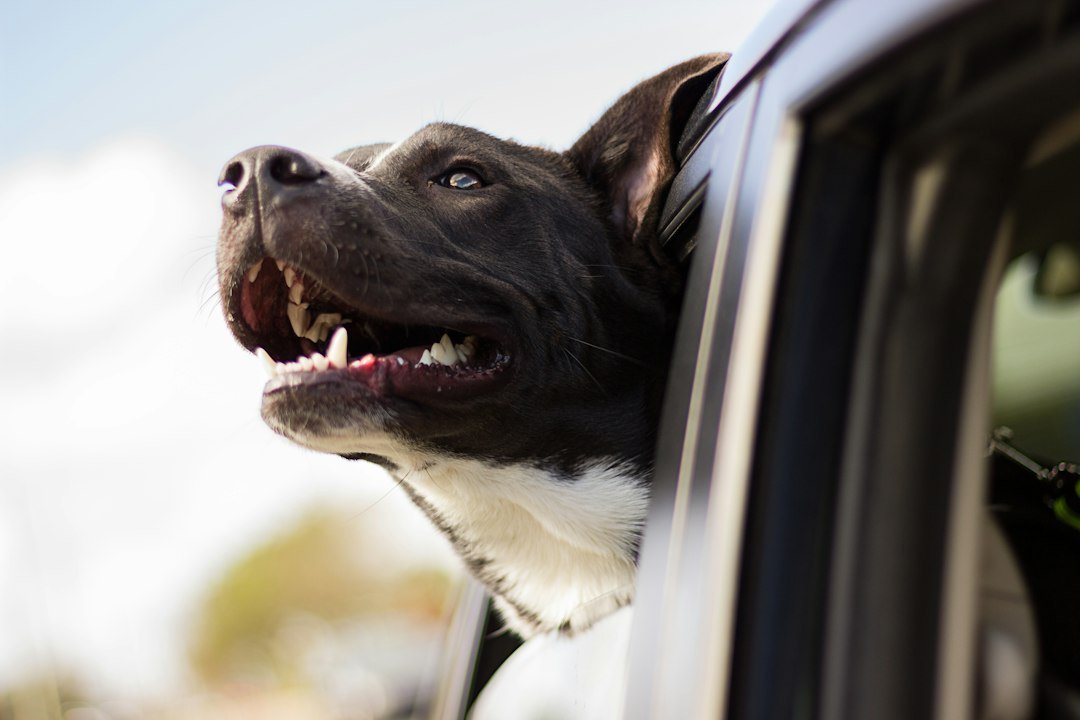
The everyday basics
For a typical outing, a short list covers most situations.
- Drinking water and a portable bowl. Dogs get thirsty fast, especially in warm weather.
- Waste bags. Always pack more than you think you’ll need.
- A lead and a well-fitted collar or harness. Check the fit before you leave, and make sure it can’t slip off.
- Up-to-date identification. A tag with your phone number is a must, and it’s worth checking that your dog’s microchip details are current.
- Treats or food. Time meals around your dog’s usual routine, and bring a little extra in case plans change.
- A towel. Muddy paws and wet fur are part of the adventure.
For longer outings and road trips
Once you’re away for several hours or overnight, add a few more items to the bag.
- A basic pet first-aid kit, and your veterinarian’s phone number
- Any medication your dog takes, with a little extra
- A familiar blanket or bed, because the smell of home helps dogs settle
- A favorite chew or a lick mat for downtime
- Recent vaccination records if you’re boarding or visiting new places
Plan regular rest and water stops, roughly in line with your dog’s usual routine. A dog that’s stuck in a car for hours without a break can become restless or uncomfortable, and many dogs get queasy on twisty roads. Stop, stretch, offer a drink and let them have a chance to relieve themselves.
Never leave your dog alone in a parked vehicle. Even on a mild day, the temperature inside a car can climb to dangerous levels within minutes, and cracking a window doesn’t fix it. If you can’t take your dog with you, leave them at home.
Choosing carriers and accessories
There’s a lot of gear on the market, and not all of it suits every dog. Think about what you’ll actually use it for, then check the details. Look at dimensions, weight limits, materials and cleaning instructions, and match them to your dog’s size. Follow the manufacturer’s guidance for use.
- Carriers and backpacks suit dogs that fit comfortably and are within the stated weight limit. For enclosed soft-sided carriers, check that your dog can stand, turn and lie down comfortably within the usable interior. Upright dog backpacks use a different fit: measure as directed for the specific model and follow its support and adjustment instructions. Take breaks, and watch for signs of heat or distress. Browse our travel and comfort collection to see the options.
- Strollers can be a good fit for dogs that tire easily, are recovering, or have limited mobility, within the product’s stated limits. A stroller isn’t a substitute for exercise for a healthy dog, but it can make outings possible for one who can’t walk far.
- Ramps help dogs into a car or onto furniture without a big jump, which can be a real help for older dogs or dogs with sore joints. Check the weight rating, a non-slip surface and whether it folds for storage. Our foldable dog car ramp is one example.
- Bowls and bottles: collapsible bowls pack small, and travel bottles make water easy to offer on the go.
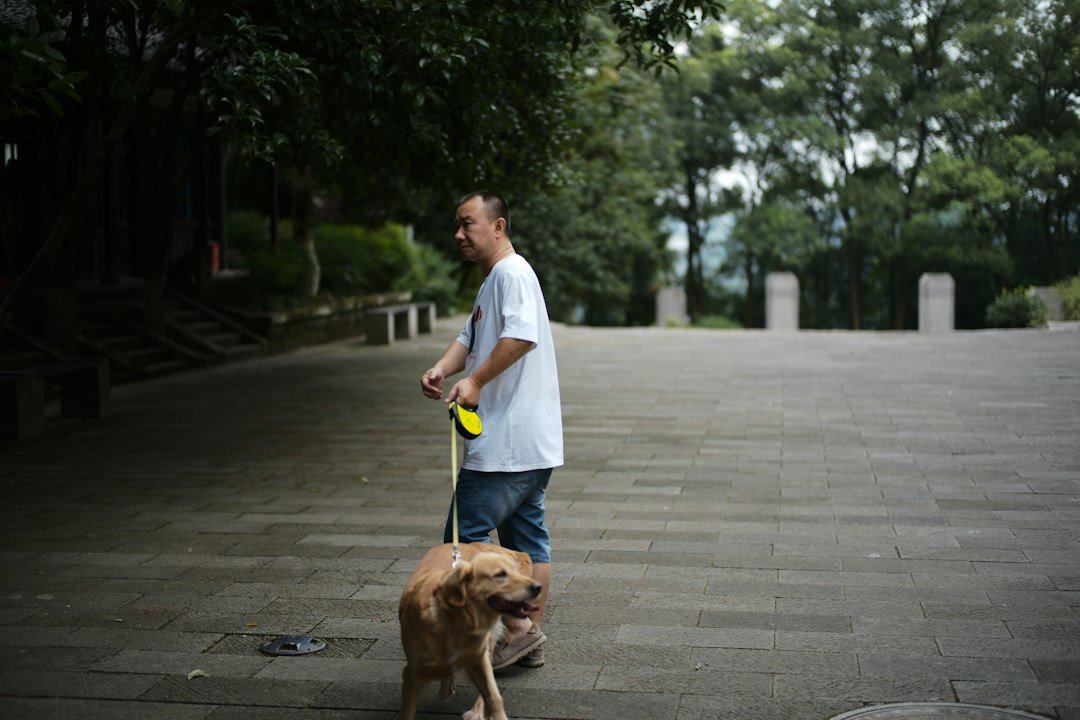
Check the exact carrier model and size
Choosing an upright backpack? Compare the K9 Sport Sack Knavigate with the Kolossus in our Knavigate vs Kolossus buying guide, then use the model-specific measuring instructions before choosing a size.
For other outings, browse enclosed soft-sided pet carriers or the pet stroller collection. Shipped versions, usable dimensions and some load limits remain awaiting supplier confirmation; check each product page’s unresolved details before ordering.
For the K9 Sport Sack Kolossus, the current collar-to-tail-base ranges are L: 20–22 inches, XL: 23–25 inches and XXL: 26–29 inches, with an 80 lb maximum dog weight. Weight alone does not establish fit. Other K9 Sport Sack models have their own charts and limits.
Mr. Peanut’s has redesigned its Mini and Big Apple carriers as V3 models. Dimensions and recommended pet weights differ from the earlier supplier listings. Confirm which version will ship before ordering; do not use a newer model’s capacity for an older carrier.
For the GOOPAWS 36-in stroller, the manufacturer currently publishes conflicting 25 lb and 35 lb figures. See the product page’s provisional lower-limit guidance and confirm the supplied model before buying. Overall stroller dimensions are not the same as usable compartment space.
Carrier guidance checked October 20, 2026. The linked product pages include manufacturer sources. For air travel, verify the exact carrier dimensions and your airline’s requirements for your specific flight.
Keeping your dog safe in the car
This is the part people most often get wrong. A seat cover protects your upholstery, but it is not a safety restraint. In a sudden stop or a collision, an unrestrained dog can be hurt or can injure passengers. Choose restraint equipment suited to your dog’s size and use it as the manufacturer instructs, and follow any local requirements. Options include crash-tested harnesses, secured crates and carriers, depending on your dog and vehicle. If you’re unsure what’s appropriate, your veterinarian can advise.
A few other habits help. Keep your dog’s head inside the vehicle, since debris and sudden stops are risks. Don’t let them ride in the front seat if airbags are present, and keep the temperature comfortable with good airflow.
Practice before the big day
New equipment can be strange for a dog. A carrier that looks cozy to you might seem like a trap to them. Introduce gear gradually at home, with short sessions and plenty of treats. Let your dog sniff and explore a carrier or a harness before using it. Take a few short trips before a long one, and build up. And check the condition of everything each time before you leave, looking for loose stitching, worn straps or damaged buckles.
If your dog gets nervous, drools or vomits in the car, talk to your veterinarian. They may have suggestions for car sickness or anxiety, and it’s better to hear it before a long journey.
Hot weather and cold weather
Temperature changes everything. In summer, dogs can overheat much faster than we do, especially flat-faced breeds, older dogs, puppies and thick-coated dogs. Walk early or late, stay in the shade, offer water often and keep hot pavement in mind, since it can burn paw pads. If you wouldn’t walk barefoot on it for a few seconds, don’t ask your dog to. Watch for heavy panting, drooling, weakness or glazed eyes, and head somewhere cool and call your veterinarian if you see them.
In winter, small, short-haired or elderly dogs may need a coat, and paws can suffer from ice, salt and cold ground. Wipe paws after walks, and keep outings shorter when it’s very cold. Every dog is different, so let your dog’s comfort be your guide.
A simple checklist to keep by the door
It helps to have a bag that’s always ready, so you aren’t hunting for things when you’re already running late. Many owners keep one packed with the basics: a collapsible bowl, spare waste bags, a towel, a spare lead, a few treats and a small first-aid kit. Check it every month or so, replace anything used up and swap out old treats. When it’s time to go, you just add water and your dog.
Think about where you’re going
Different places call for different packing. A beach day needs shade, fresh water and a rinse afterward. A hike might need booties for rough ground, and a check for ticks afterward. Cold weather can call for a coat for short-haired or small dogs. And if you’re traveling across borders or staying at a hotel, check the rules about pets and documents ahead of time. Planning for the weather and terrain helps your dog stay comfortable.
Keep your dog’s comfort at the center
The best outings are the ones your dog is happy to take. Watch their body language, pause when they’re tired or overwhelmed, and don’t be afraid to cut a day short. Supervision, a little patience and the right gear matter more than any fancy accessory.
Ready to browse? Explore our pet travel and comfort collection, and as always, read each product page and follow the manufacturer’s instructions for size, weight limits and use.
Keep reading: A beginner’s guide to dog grooming tools · What is dog enrichment?
Photos by Andrew Pons and Fenghua on Unsplash.