What Is Dog Enrichment? A Practical Starting Point
If you’ve ever watched a dog work out how to get a treat from under a couch cushion, you’ve already seen enrichment in action. The tail goes still, the nose goes to work, and for a few minutes the whole world shrinks to one small problem. That focus is the point. Dog enrichment is simply the habit of giving your dog safe, interesting things to do with their nose, mouth, paws and brain, on top of the usual walks and meals.
It sounds fancier than it is. You don’t need a training certificate, a garage full of gadgets or a spare afternoon. You need a little curiosity about what your particular dog likes, and a willingness to start small. This guide walks through what enrichment means in everyday life, how to try it without overdoing it, and how to tell when it’s working.
What enrichment actually means
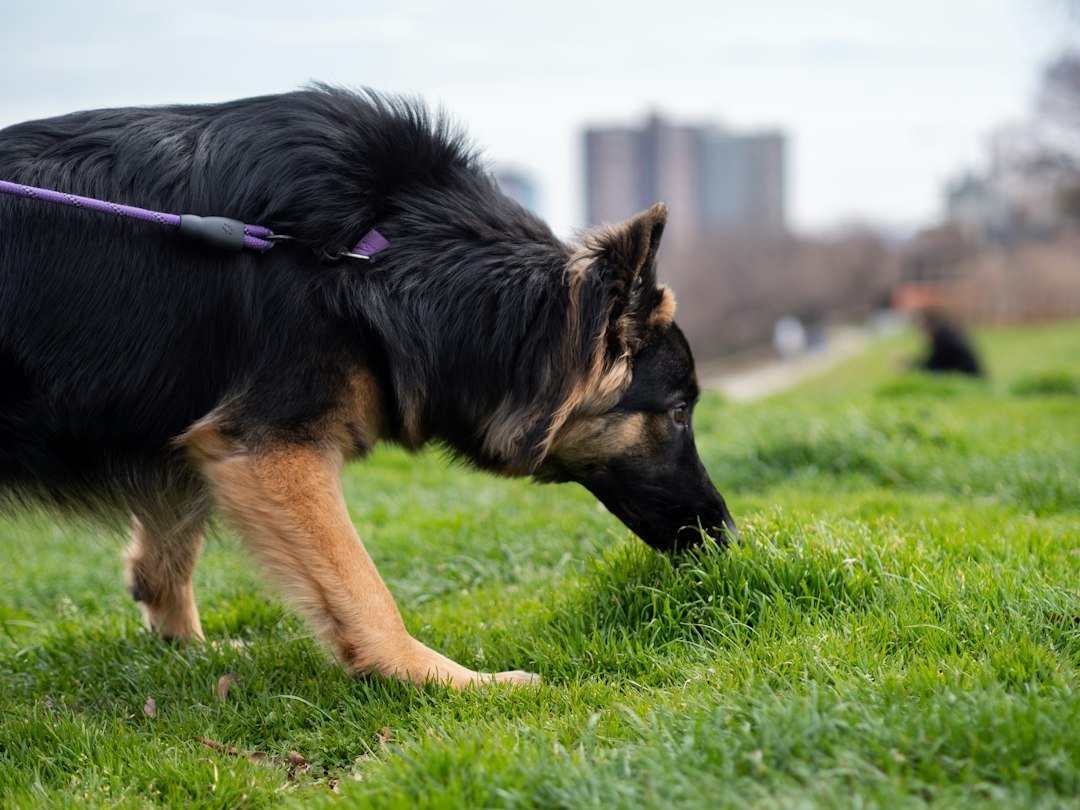
Dogs were bred to do jobs: herd, retrieve, track, guard, hunt. Most of our dogs now live in a home where the biggest decision of the day is which sunny spot to nap in. Their instincts haven’t gone anywhere, though. A dog that never gets to sniff, search, chew or solve anything has a lot of unused energy and curiosity, and it tends to find its own outlets, like unrolling the toilet paper or barking at the mail carrier.
Enrichment gives those instincts a place to go. It’s not the same as exercise, although the two overlap. A long run tires the body. A ten-minute sniffing game tires the mind, and plenty of dogs seem calmer after both. It’s also not a cure-all. Enrichment can make daily life more interesting for your dog, but it won’t replace training, vet care or time with you.
Why it’s worth the effort
Every dog is different, so we can’t promise a particular result. Still, many owners find that a dog who’s had a chance to sniff, lick or work on a puzzle seems more settled afterward. Mealtimes can become a little event instead of a ten-second vacuum session. Rainy days and recovery periods feel less long. And you get a front-row seat to watch your dog think, which is its own reward.
There’s also a simple kindness in it. Letting your dog make choices, like which direction to sniff or how to approach a new toy, is a small way of respecting how they experience the world.
The main kinds of enrichment
It helps to think in categories, because most dogs lean toward one or two. Here are the common ones.
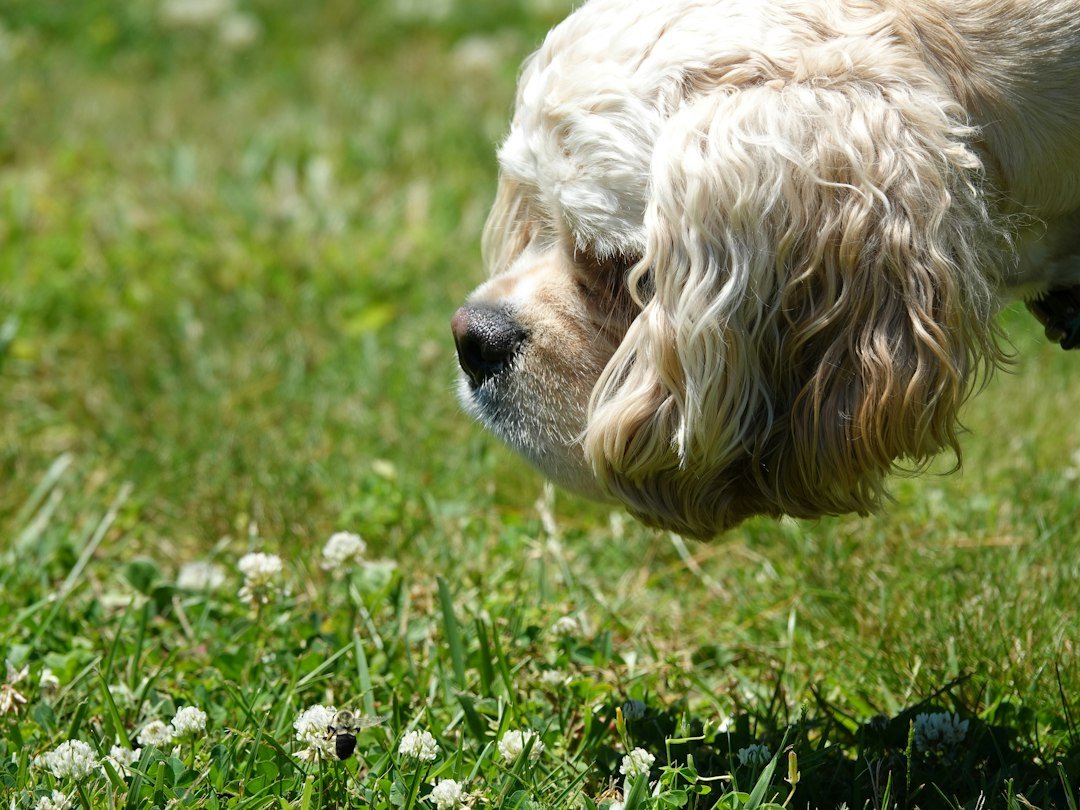
- Sniffing and searching. A dog’s nose is their main source of information. Scatter part of a meal across the lawn or a clean floor, or hide a few treats around one room and let them hunt. Even a slow, sniffy walk where you let your dog lead counts.
- Licking. Licking is repetitive and, for many dogs, soothing. Lick mats and similar surfaces let you spread soft food and give your dog something calm to do. We cover the details in our guide to introducing a lick mat.
- Chewing. Chewing is natural, but chews vary a lot in safety. Choose ones that suit your dog’s size and chewing style, supervise, and take them away once they’re worn down or small enough to swallow.
- Problem solving. Puzzle feeders and simple food toys reward curiosity. Start with an easy one so your dog wins early. A slow feeder is a gentle first step.
- Play and training. Tug, fetch, learning a new trick and short training games all count. Time with you is often the best enrichment of all.
How to start without overthinking it
The biggest mistake new owners make is buying five things at once and putting them all out on day one. Dogs, like people, can get overwhelmed. Try this instead.
- Pick one activity and one familiar food. Use part of your dog’s normal daily allowance, not extra on top, so treats don’t quietly add up.
- Keep the first session short. Three to five minutes is plenty.
- Make it easy to win. If your dog gets stuck or frustrated, simplify it. Spread the food out more, loosen the puzzle, or just help a little. The goal is confidence, not a test.
- Stay close. Supervise, especially with anything chewable or any item with small parts.
- Watch and adjust. Notice what your dog comes back to and do a bit more of that.
After a week or so, you’ll have a good sense of whether your dog is a sniffer, a licker, a chewer or a thinker. Build from there.
Reading your dog while they play
Your dog can’t tell you whether they’re enjoying something, but they show you all the time. Signs that an activity is going well include a loose, wiggly body, a soft face, steady interest and a willingness to come back for more. Signs that it’s too much include walking away, turning their head, yawning or lip-licking when there’s no food around, a stiff body, or giving up quickly.
If you see the second group, don’t push. Make the task easier, shorten the session or try something different. A dog that wanders off is giving you useful information, not being difficult.
Choosing products that fit your dog
Whether you’re buying a feeder, mat or toy, a few checks will save you trouble.
- Size and strength. The product should suit your dog’s size and the way they play. A toy that suits a small dog may be a hazard for a large one and vice versa. Always check the size range and intended use on the label.
- Manufacturer guidance. Follow the instructions about supervision, cleaning and age.
- Condition. Look the item over before each use. Retire anything cracked, chewed through or coming apart.
- Cleaning. Anything food touches should be washed regularly, because leftovers don’t stay fresh for long.
If you’d like a place to start, you can browse our dog enrichment collection, which includes slow feeders and lick mats.
A routine, not a collection
A pile of toys that’s always out tends to become background noise. Many owners find it works better to keep two or three items out and rotate them through the week. Something your dog hasn’t seen for a few days feels new again, and you avoid spending a lot to keep up.
Here’s what a simple week might look like. It isn’t a rule, just an example.
- Morning: part of breakfast in a slow feeder.
- After a walk: five minutes on a lick mat while you catch your breath.
- Afternoon: a “find it” game, scattering a handful of kibble in one room.
- Evening: a short play or training session, then a quiet rest.
Common mistakes to avoid
A few things come up again and again. Making the task too hard too soon is the big one, followed by adding food without cutting back elsewhere. Another is leaving a dog alone with something they might chew apart. And it’s easy to forget that some dogs are shy about new objects and need a slow introduction, with the item just sitting on the floor for a day or two before it’s used.
It’s also worth remembering that enrichment isn’t a fix for every behavior. If your dog is anxious, destructive, guards food, or seems to be struggling, extra activities alone may not be enough.
When to ask a professional
Talk to your veterinarian before changing your dog’s diet, adding new chews, or if you’re unsure how an activity fits with a health condition or weight plan. For behavior concerns like fear, aggression or severe separation distress, a qualified trainer or veterinary behaviorist can give you advice tailored to your dog. Product instructions and professional guidance always come first.
Start small, then follow your dog
Enrichment doesn’t have to be a project. Pick one thing this week, watch how your dog responds and let that guide the next step. Some dogs will love the hunt, others the lick, others the puzzle. All of them appreciate a person who’s paying attention.
Keep reading: How to introduce a lick mat · How to choose a slow feeder · Dog enrichment collection
Photos by Gabriel Almanzar and Charles Nouwen on Unsplash.