
How to Introduce a Lick Mat for Dogs
There’s a particular kind of quiet that happens when a dog settles in with a lick mat. The panting slows. The shoulders drop. The only sound is a steady, rhythmic lap-lap-lap. If you’ve ever needed ten calm minutes while the vacuum comes out, the mail arrives or a bath gets run, you can see why these mats are so popular.
A lick mat is a flat, textured surface made for spreading soft food. Your dog licks it off, bit by bit, which takes a lot longer than eating from a bowl. It’s easy to use, but a few small decisions make the difference between a happy dog and a mat that sits in a drawer. Here’s how to introduce one, what to put on it, and how to keep it clean.
Why licking is such a popular activity
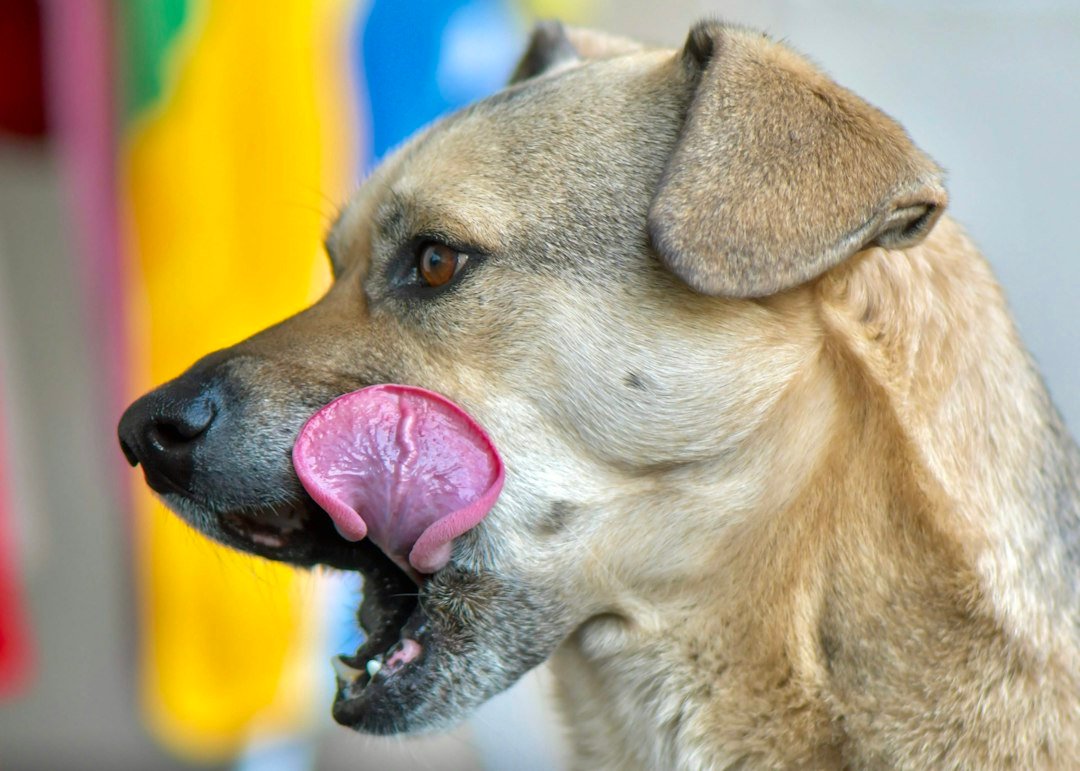
Licking is a natural, repetitive behavior for dogs. Puppies lick as they nurse, and adult dogs lick to explore and to groom. Many owners find that a lick mat gives their dog a calm outlet, and it’s a nice way to spend a few minutes on something other than chewing or running around. It’s not magic, and every dog is different, but it’s a gentle, low-effort activity that fits into a busy day.
A lick mat can also be a handy tool during things your dog might find a little stressful, like nail trimming practice or a visitor arriving. It gives them something pleasant to focus on, though it works best when you pair it with patience and not as a way to push a dog through something they’re truly afraid of.
What to put on it
Choose soft foods your dog already eats and tolerates well. The most straightforward option is part of their regular wet food, which keeps their daily intake predictable. Some owners use plain, dog-safe spreads in small amounts. Whatever you choose, read the ingredients first.
- Check labels. Some products, including certain spreads, contain xylitol, a sweetener that is toxic to dogs. Never use anything with xylitol.
- Introduce new foods slowly. A sudden change can upset a dog’s stomach.
- Watch for allergies. If your dog has food sensitivities or a prescription diet, ask your veterinarian what is suitable.
- Count it. Whatever goes on the mat is food. Take it out of the day’s allowance so the extras don’t add up.
Step by step: your dog’s first lick mat
- Let them sniff it first. Put the empty mat on the floor and let your dog investigate without any pressure. Some dogs are curious, others hold back for a minute.
- Start thin and easy. Spread a small amount of a favorite food in a thin layer. A thick layer is a bigger job, and you want the first try to be a success.
- Pick a calm spot. A quiet corner with a non-slip surface underneath works well. A mat that slides around is frustrating.
- Stay with your dog. Supervise every session, especially at the start.
- Keep it short. Five to ten minutes is plenty while your dog is learning.
- Build up gradually. Once your dog is comfortable, try a thicker spread or different textures to make it last a little longer.

Making the most of it
Once your dog has the hang of it, you can use the mat in small moments through the day. After a walk, when your dog is winding down. While you’re cooking or working nearby. During a quiet evening when you’d like some relaxed company. A few minutes at a time works well.
Some people like to freeze a thin layer of food on the mat for a longer-lasting treat on warm days. If you try this, check the manufacturer’s instructions first, since not every material is meant for the freezer, and start with a short session so your dog isn’t left struggling.
Fun ways to change it up
Once the basics are easy, you can keep things interesting without buying anything new. Try a different texture of food one day and a thinner spread the next. Move the mat to a new spot in the house, since a change of scenery can make an old activity feel fresh. Spread food in a pattern, like stripes or a spiral, and see how your dog works through it. You can also rotate between a mat, a slow feeder and a scatter game so your dog never knows exactly what’s coming. Variety keeps the novelty up, and it’s cheap.
It also helps to match the mat to the moment. A short, thin spread suits a quick break. A thicker, more textured layer suits a longer stretch when you need your dog occupied. Learning how your dog responds is half the fun.
Lick mat rules worth remembering
- Licking, not chewing. These mats are designed to be licked. If your dog starts chewing or tearing at it, take it away. Swallowed pieces can be dangerous.
- Don’t leave them alone with it. Supervision is part of the deal.
- Retire damaged mats. A torn, cracked or chewed mat should be replaced.
- Don’t use it as the only way to feed. It works best as an extra activity or a small portion of a meal, not a replacement for a proper feeding routine.
Keeping it clean
Soft food and warm dogs mean the mat can get messy fast. Wash it after every use with warm soapy water and a brush, working into the grooves where food collects. Rinse well and let it dry completely before you use it again. Check the manufacturer’s instructions, because some materials are dishwasher safe and others aren’t. A damp mat sitting in a cupboard is a good way to grow something you don’t want.
If your dog isn’t interested
Don’t worry. Some dogs take a few tries, and some prefer other kinds of enrichment, like sniffing games or puzzle feeders. Try a different food, a thinner layer or a different time of day, perhaps when your dog is a little hungry but not desperate. If nothing works after a few attempts, it’s fine to move on.
If your dog has trouble with their teeth, mouth or tongue, or if licking seems to make them anxious or obsessive, check with your veterinarian. Repetitive licking of objects can sometimes be a sign of nausea or stress, and it’s worth asking.
A word for multi-pet homes
If you have more than one animal, give each their own space. A dog that’s licking away happily can become protective, and another pet wandering over for a taste can cause tension. Feed them in separate rooms or at opposite ends of the house, and don’t leave mats lying around where a cat or another dog can reach them. Peaceful licking depends on feeling safe.
Which mat should you choose?
Size matters. A mat that’s too small is frustrating for a big dog and one that’s too big can be awkward for a small one. Look at the surface pattern too. Shallow, simple textures are easier for beginners, and deeper grooves hold more food and last longer. Look for a non-slip base, a material that’s easy to wash and clear care instructions.
If you’d like to try one, our SodaPup Jigsaw and Honeycomb lick mat bundle comes with two large mats, so you can rotate them while one is being washed. You can also browse our full dog enrichment collection.
Keep reading: What is dog enrichment? · How to choose a slow feeder
Photos by Juan Pablo Mascanfroni and Kojirou Sasaki on Unsplash.