How to choose a slow feeder bowl for your dog
Some dogs eat like they’ve been told the kitchen is closing in thirty seconds. The bowl is full, then it’s empty, and your dog is looking at you like nothing happened. If that sounds familiar, you’ve probably wondered whether a slow feeder might help.
A slow feeder is a bowl or tray with ridges, raised shapes or winding channels that make your dog work around obstacles to reach their food. Instead of inhaling dinner, they nose, lick and weave their way through it. Plenty of owners like them because mealtime lasts longer and doubles as a bit of mental exercise. But the market is crowded, and the wrong one can be frustrating for your dog or hard for you to keep clean. Here’s how to choose well.
First, a quick word about why your dog eats so fast
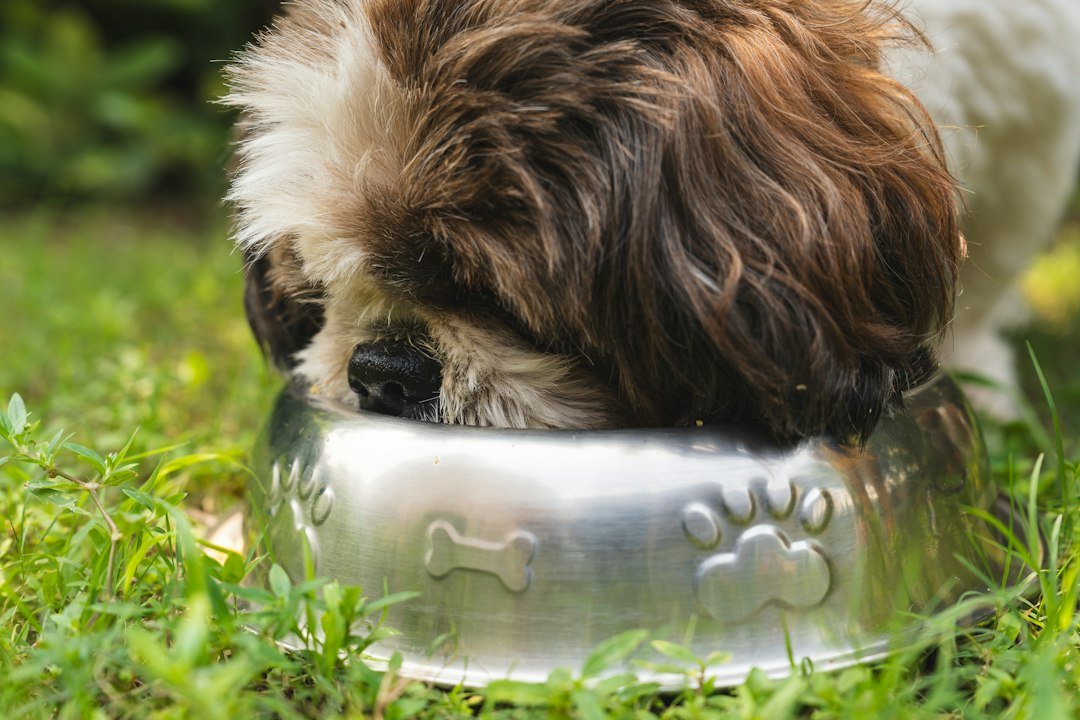
Fast eating is common, and often it’s just habit. Dogs that compete with other pets for food, dogs that were once underfed, and dogs that are simply very food-motivated all tend to gulp. A slow feeder can help with the habit.
That said, if your dog gulps food and then vomits, seems uncomfortable after meals, has a swollen belly, or suddenly started eating differently, call your veterinarian. Sometimes fast eating or changes in appetite point to something medical, and a bowl won’t fix that. It’s always sensible to rule out health issues first, especially for large, deep-chested breeds.
What to look at when you’re choosing
Size and capacity
Match the feeder to your dog’s muzzle and the size of their meals. A big dog needs a wide surface so a full meal isn’t piled up and hard to reach. A small dog or one with a short nose needs shapes their mouth can actually get into. If the pattern is too deep or too narrow, your dog may get frustrated, flip the bowl or walk away hungry.
Depth and shape
Shallow trays spread food out in a thin layer, which makes them a good starting point for dogs new to slow feeding and for flat-faced breeds that struggle with deep bowls. Deeper designs with taller obstacles are a bigger challenge, and they suit confident eaters who’ve already mastered the basics.
Difficulty
This is the one people get wrong most often. It’s tempting to buy the most complicated maze because it looks impressive. Start with an easy pattern instead. If your dog works at it and succeeds, you can move up later. If they give up in the first minute, you’ve turned dinner into a chore. Gradual is better than hard.
Material and cleaning
Choose something easy to wash with no deep crevices where food can hide. Check the manufacturer’s care instructions, including whether it’s dishwasher safe, and look at the surface after a few weeks of use. Scratches and cracks can hold bacteria, so replace a feeder that’s worn.
Stability
A bowl that skates across the floor makes mealtime a hassle. Look for a non-slip base, or put the feeder on a mat. A stable bowl lets your dog focus on the food instead of chasing the dish.
Wet food, dry food or both?
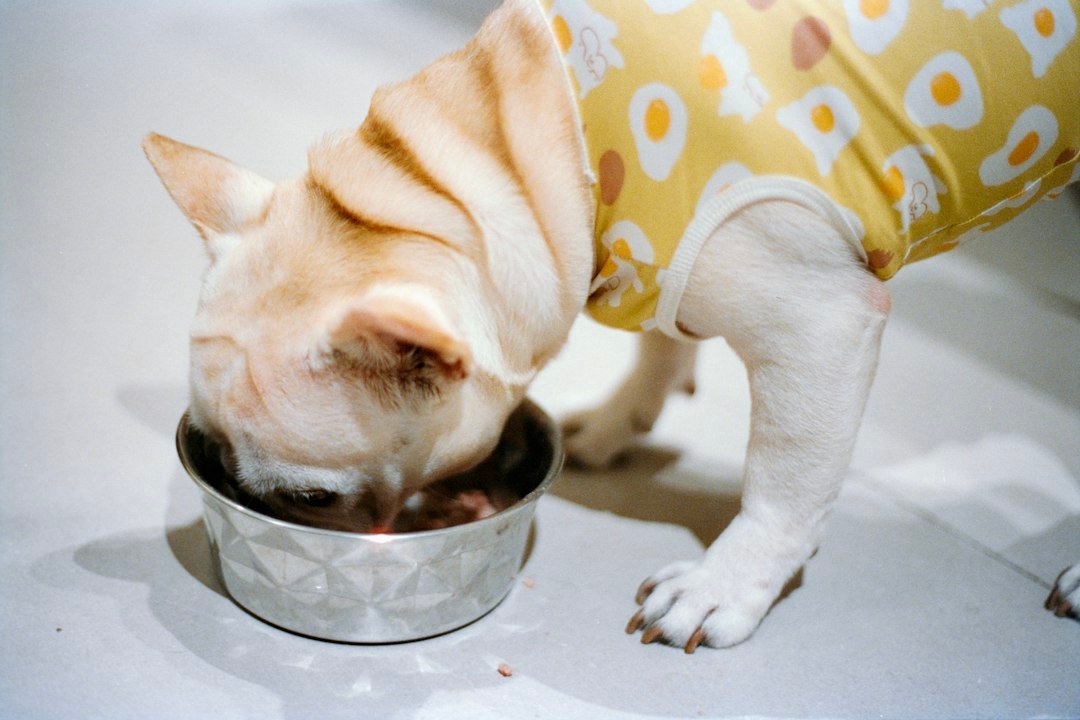
Most slow feeders handle dry kibble well. Wet or soft food can work too, but it tends to fill the grooves and takes more effort to clean. If you feed wet food, check that the design is made for it. A lick mat is often the better surface for soft food, which we talk about in a moment.
How to introduce a slow feeder
New things can be suspicious, so give your dog time.
- Use their normal meal. Put the usual amount in the new feeder and let your dog investigate.
- Stay close for the first few meals. You’ll see right away if they’re enjoying it or getting stuck.
- Keep the old bowl handy. If your dog seems unsure, offer part of the meal in the familiar bowl too, then phase it out.
- Adjust if needed. If your dog gets frustrated, try a simpler pattern or spread the food more thinly.
- Check it regularly. Remove a worn or damaged feeder right away.
Most dogs figure it out within a few meals. Some take longer, and that’s fine.
Slow feeders versus lick mats
People often ask which is better. The honest answer is that they do different jobs. A slow feeder suits regular mealtimes with dry food or thicker wet food, and it slows the pace of eating. A lick mat is better for soft spreads and works best as a short, calming activity rather than a main meal surface. Many households use both. If you’re curious, read our guide to introducing a lick mat.
Puppies, seniors and flat-faced breeds
Not every dog has the same needs. Puppies are still learning how to eat and how to handle new objects, so keep the pattern very simple and watch them closely. Older dogs may have sore teeth, stiff necks or less patience, so a shallow, easy design is kinder than a deep maze. Flat-faced breeds like pugs and bulldogs can struggle with tall ridges, because their short noses don’t reach into narrow channels. If your dog falls into one of these groups, a shallow tray is usually the better place to start, and your veterinarian can tell you if anything about their mouth or health calls for a different approach.
How to tell it’s working
A slow feeder doesn’t need to turn dinner into an hour-long event. Success looks like a dog who eats at a more relaxed pace, stays interested, and finishes the meal without frustration. If meals now take a few minutes longer and your dog seems calmer afterward, that’s a win. If your dog is pawing at the bowl, flipping it or leaving food behind, the pattern is probably too hard. Swap to something simpler and try again in a day or two.
A simple cleaning routine
Slow feeders have more nooks than a plain bowl, which means more places for food to hide. A quick habit goes a long way: rinse the feeder after each meal, wash it with warm soapy water and a small brush once a day, and let it dry fully before the next meal. Once a week, give it a closer look for scratches or residue. Check the manufacturer’s instructions first, since not every material tolerates hot water or the dishwasher.
A few things to avoid
- Using it as a puzzle without supervision at first. Watch the first few sessions.
- Overfeeding. A slow feeder changes how fast your dog eats, not how much they should eat. Keep to your dog’s daily allowance.
- Ignoring wear. Cracked or chewed plastic can be a hazard.
- Forcing the issue. If your dog consistently refuses it, try a different style or go back to a regular bowl and talk to your vet.
Look at how your dog eats, not just the bowl
It’s also worth thinking about the setting. A quiet spot away from other pets and a calm routine can slow eating all by themselves. Some owners feed pets in separate rooms to take the pressure off. A slow feeder works best as one tool among a few, not a magic fix.
Where to start
If you’re not sure which to pick, a shallow feeder with a simple pattern is a safe first choice. You can browse our dog enrichment collection, which includes the SodaPup Four Seasons eTray shallow slow feeder and the SodaPup Java eBowl slow feeder. As always, read the product page and follow the manufacturer’s instructions for size, cleaning and supervision.
If your dog has a medical condition, a special diet or any history of eating-related problems, check with your veterinarian before changing how they eat. A few minutes of advice is worth it.
Keep reading: What is dog enrichment? · How to introduce a lick mat · Dog enrichment collection
Photos by Gayatri Malhotra and Zhen Yao on Unsplash.